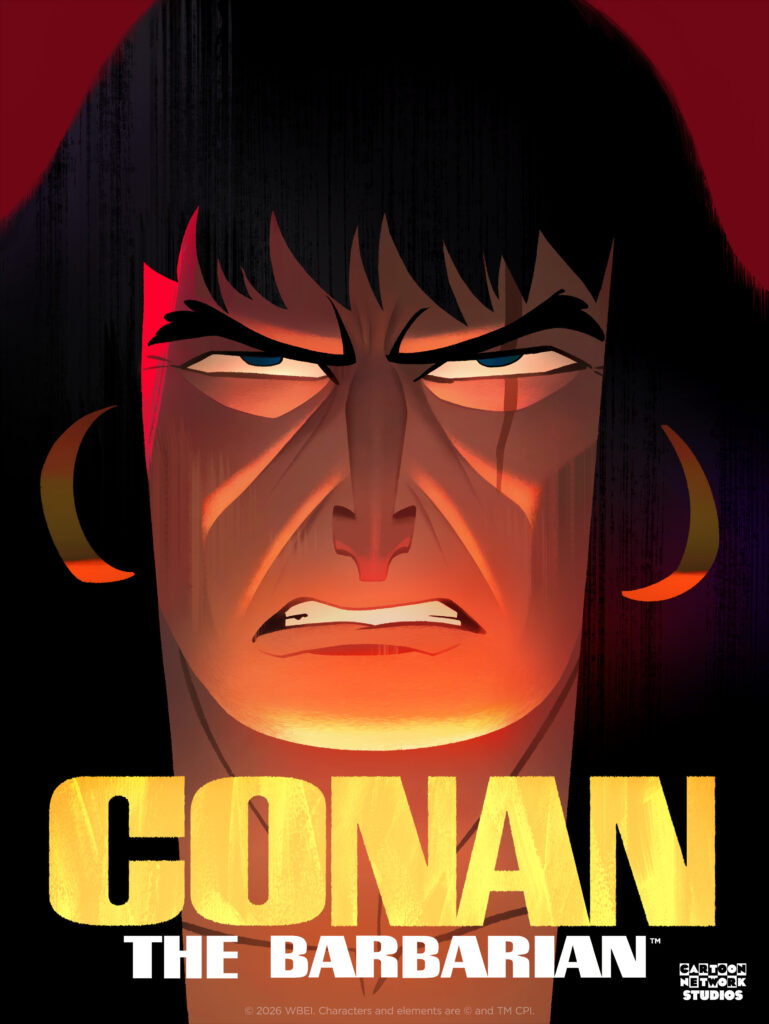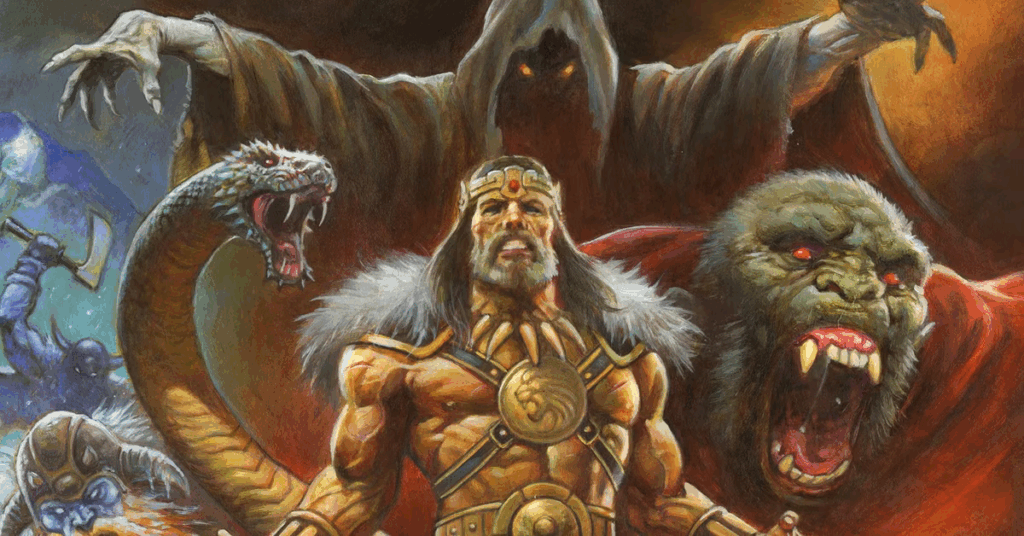




Ask anyone on the street to picture Conan the Barbarian.
Go ahead: try it.
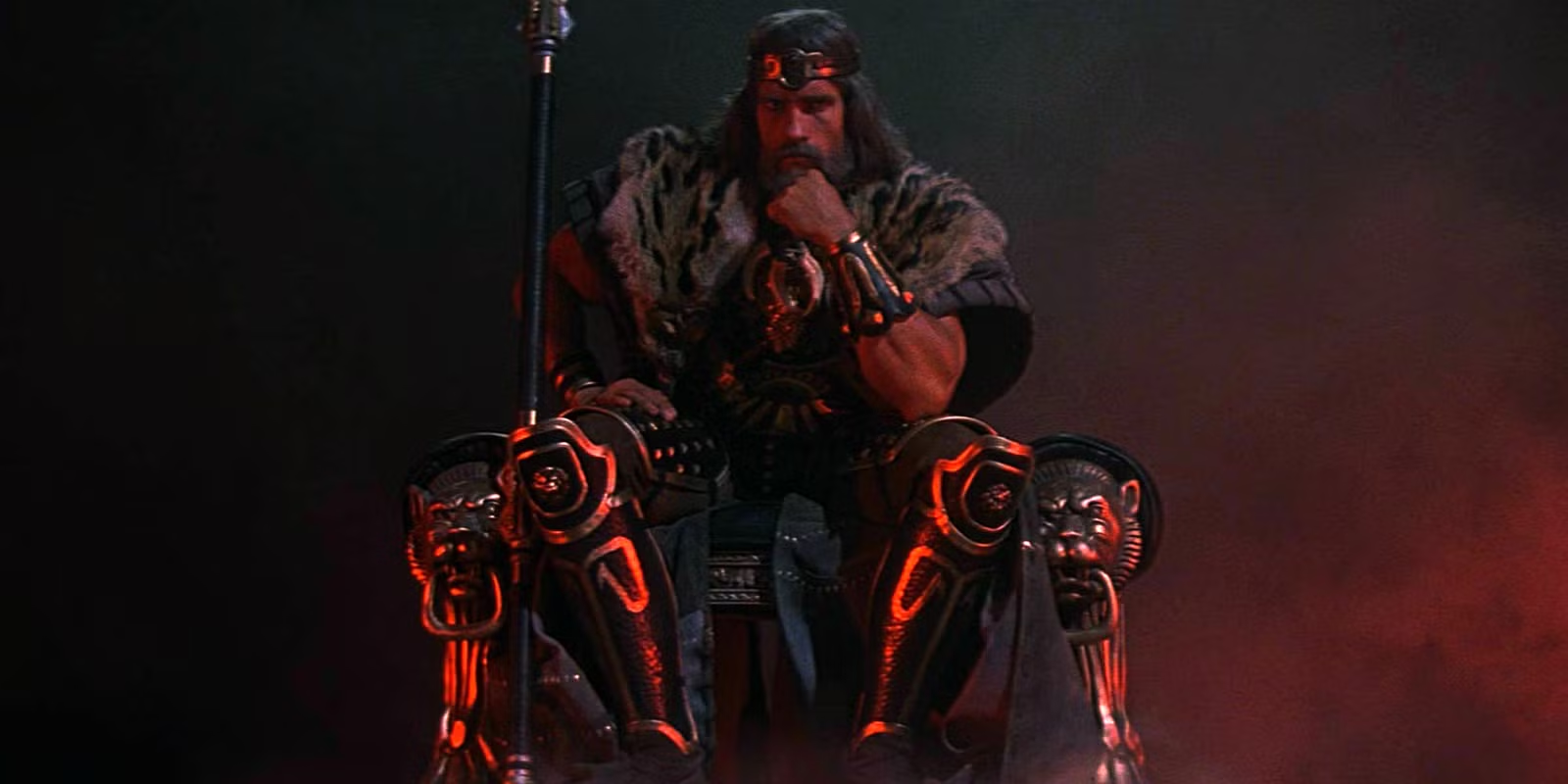
They’ll draw Arnold Schwarzenegger. The oak-tree torso. The bowl-cut bangs. That heavy Austrian growl shaping the word “Crom.”
For over forty years, the 1982 film has colonized our collective imagination so completely that most people don’t realize they’re picturing an interpretation. They think they’re picturing the character.
They’re picturing something else: a Conan that cinema created, not the one Howard wrote. The figure who stalked through the pages of Weird Tales in the 1930s moved differently: faster, leaner, stranger. Arnold gave us a myth. Howard wrote a panther.
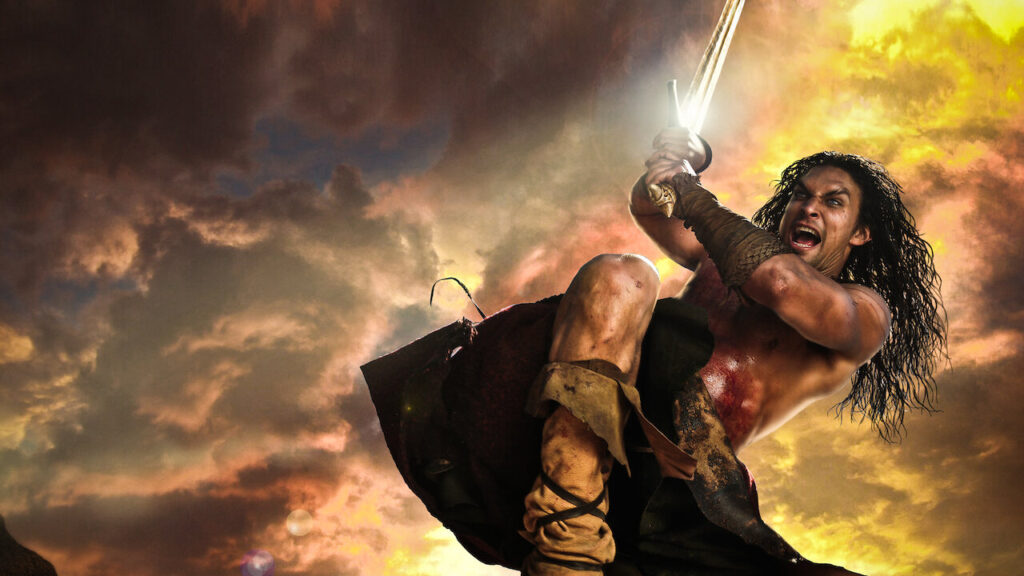
And in 2011, an actor showed up who looked like the one on the page.
Jason Momoa was the most physically accurate Conan ever committed to film. Almost no one noticed. The production faced challenges that kept audiences from seeing what he was actually doing: tonal inconsistencies, editing choices that obscured his stunt work, a script that pushed him toward generic heroism rather than Howard’s drifter. The film didn’t land the way most had hoped, and Momoa’s performance got lost in the conversation.
But in order for us to properly appraise the question of “Was Jason Momoa good in Conan the Barbarian?” we have to go back to the source. Back to Howard’s original words, and the very specific man he put on the page.
How Did Robert E. Howard Actually Describe Conan?
Howard wrote with a pulp writer’s economy, but when it came to Conan’s physicality, he returned to the same vocabulary again and again. The words are precise. They’re animalistic. And they paint a picture that doesn’t match the one most people carry in their heads.
“Pantherish.” “Tiger-like.” “Cat-footed.” “Supple as a great cat.” Conan moved on “steel springs,” exploding into violence with a speed that caught trained killers off guard. This is movement language. In these ways, Howard describes the coiled readiness of something that survives by being faster than what it kills.
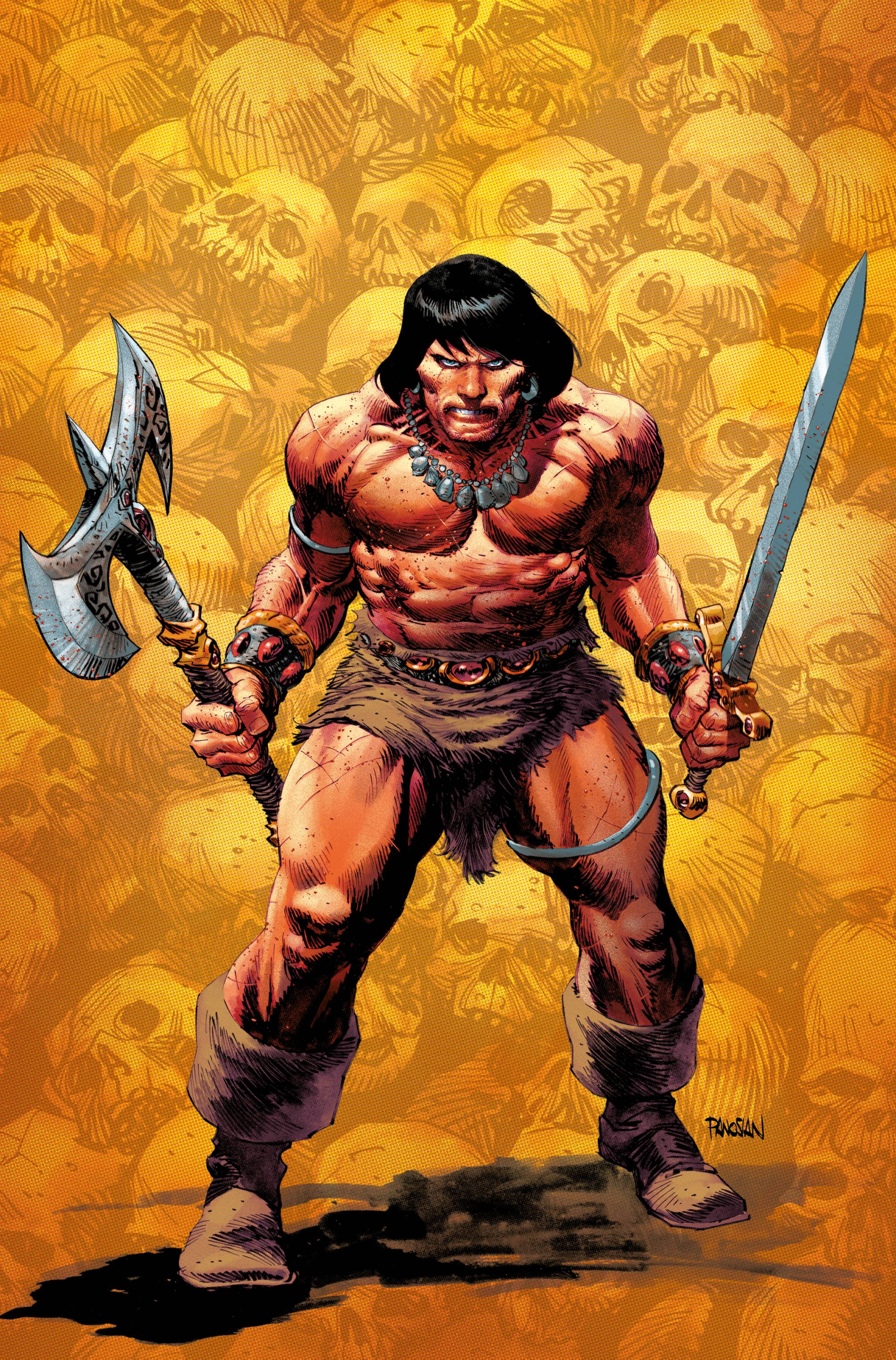
The muscle follows suit. Howard called it “corded”, meaning functional, dense, earned through climbing fortress walls and swimming storm-churned seas and fighting for his life across a dozen hostile kingdoms. This wasn’t the hypertrophic bulk of a man who trains for aesthetic competition. Conan’s body was a tool honed by necessity. He looked like what he was: a wanderer who’d spent years doing hard, violent things to stay alive.
Then there’s the face. “Square-cut black mane.” “Volcanic blue eyes” which are sometimes “smoldering,” often “sullen.” Howard gave Conan features that read as racially ambiguous, exotic, vaguely menacing. The Cimmerians were descendants of Atlantis in Howard’s mythology, a lineage that predated and stood apart from the proto-European peoples surrounding them.
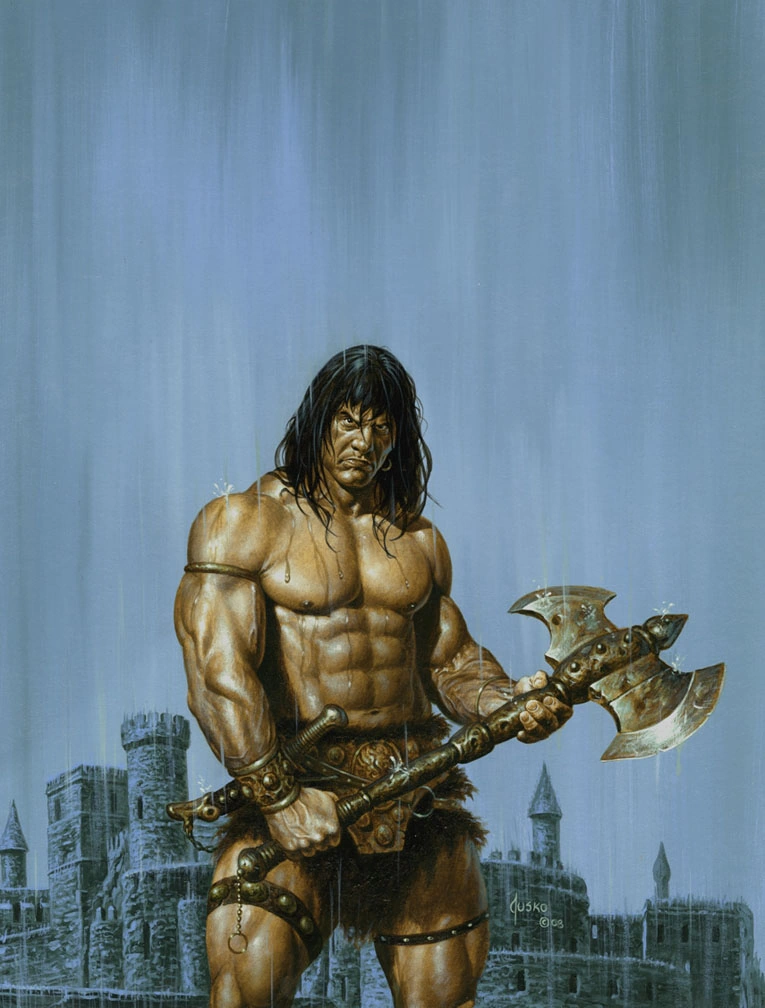
Nothing about the description suggests Germanic ancestry. Certainly, nothing even suggests blonde.
Then, there is the mind.
“Gigantic melancholies and gigantic mirth,” Howard wrote. Brainless berserker Conan was not. He was a polyglot who picked up languages the way other men pick up scars. He commanded armies and understood tactics. He debated the nature of gods with dying sorcerers, philosophized about the futility of civilization, quoted foreign poetry when it suited him. The man thought. He observed. He carried a bone-deep melancholy about the impermanence of all things, punctuated by roaring bursts of joy when wine and victory aligned.
And his motivations? Pure self-interest. Conan drifted. He stole, he fought, he bedded, he moved on. No great destiny pulled him forward. No murdered family demanded vengeance. He was a thief who became a mercenary who became a pirate who, eventually, became a king–all because he was too stubborn and capable to die along the way.
That’s the benchmark. That’s the man against whom every adaptation must be measured.
So let us do that.
Was Momoa or Schwarzenegger Better as Conan?
Arnold Schwarzenegger’s Conan is iconic for reasons that have nothing to do with Robert E. Howard. That is anything but in an insult, and instead is a distinction worth making clearly before we go any further.
The man had presence. He occupied the frame like a monument occupies a plaza. When Arnold stood still, you believed nothing could move him. When he moved, you believed nothing could stop him. That kind of screen power doesn’t come from unyielding adherence to source material.
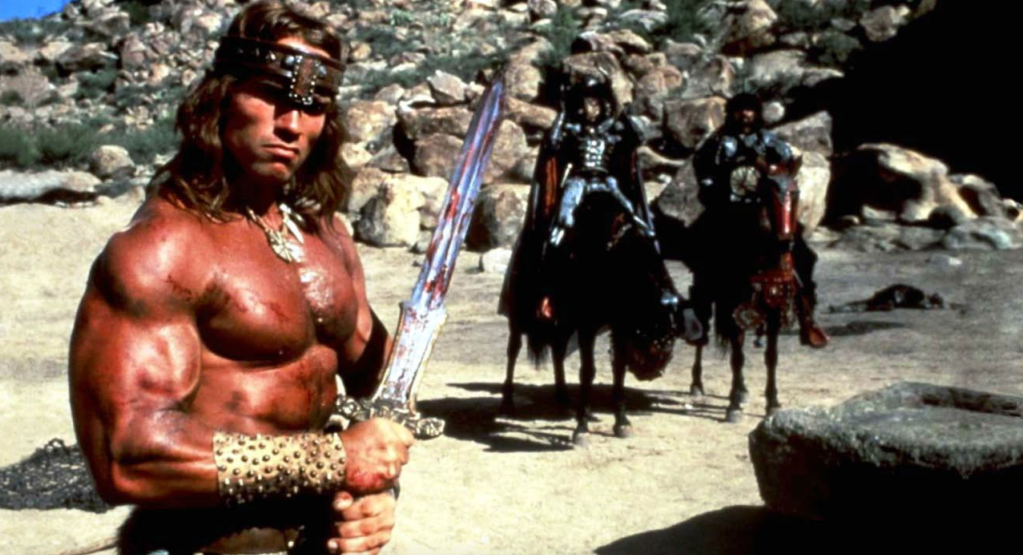
But iconic and accurate aren’t the same thing. We’re not measuring cultural impact here. We’re measuring against Howard’s text. And when you run that comparison honestly, dimension by dimension, a different picture emerges.
Physique
Arnold in 1982 was a competitive bodybuilder at the peak of his aesthetic development. Magnificent to look at.
A bit wrong for the character, though.
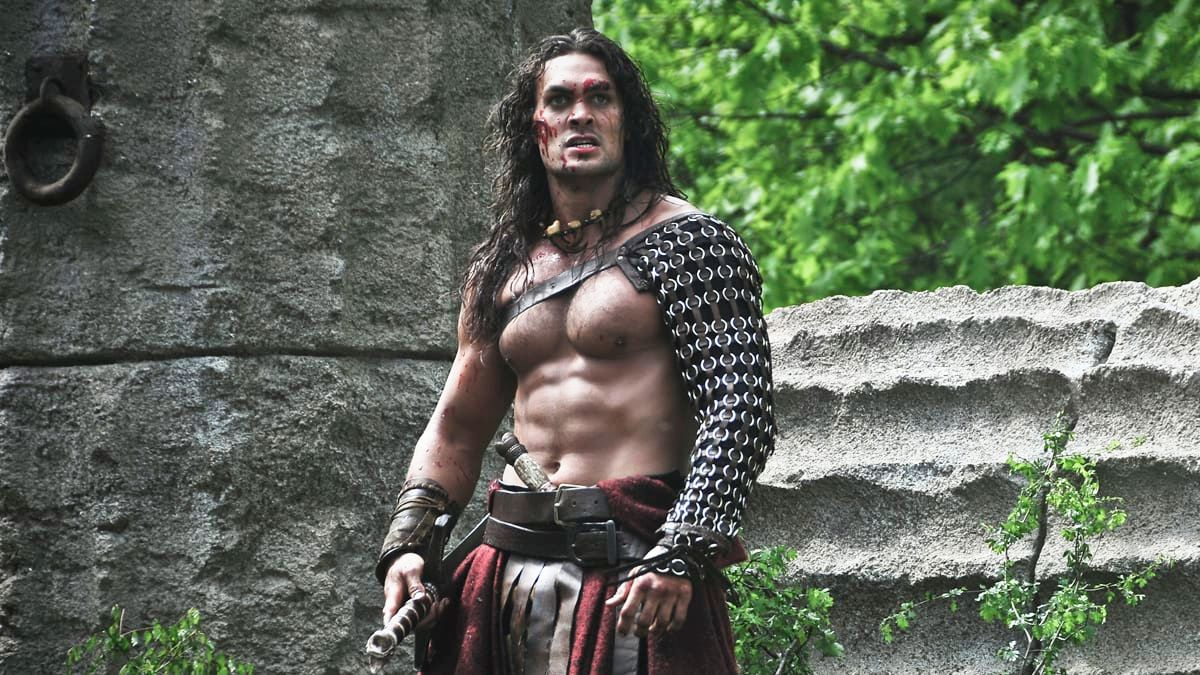
Howard’s Conan carried, as mentioned previously, “corded muscle” on a frame that was “massive” but maintained a “lean waist.” A hunter’s body. A climber’s body.
Momoa, standing 6’4″ with functional athletic mass, looked like a man who had survived things. He had the physique of a predator who eats what he catches.
He had the physique of the legendary Cimmerian.
Movement
Watch Arnold fight.
He’s glacial. Deliberate. His sword swings are broad, chopping motions that rely on overwhelming force delivered from a planted stance. Enemies come to him; he doesn’t chase them down.
It’s effective cinema, but it’s not the Conan who moved struck faster than trained killers could track.
Momoa, on the other hand, performed his own stunts, dual-wielding, spinning, footwork that actually covers ground. Isolate the fight choreography from the film’s chaotic editing and you’ll see the “pantherish” speed Howard described.
The explosive violence of a man who learned to fight by fighting, not by lifting. The nature of Conan.
The Look
Arnold had the eyes for sure: natural blue, striking on camera. He wins that one outright.
But everything else?
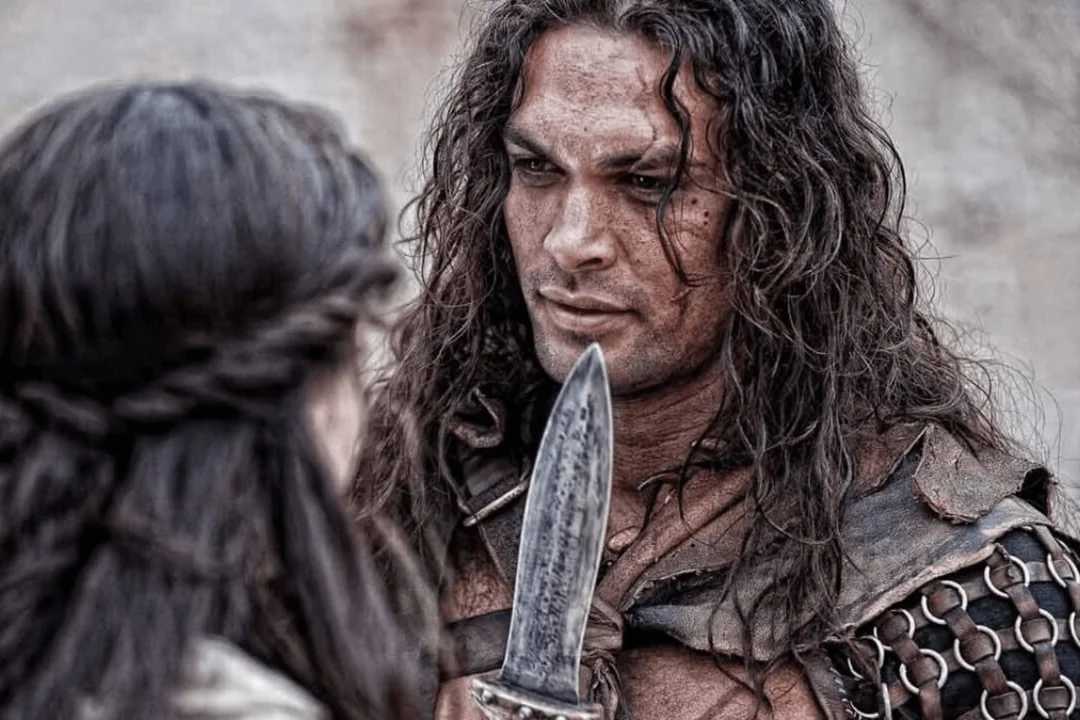
The brown hair styled into bangs, the fair coloring, the clean-cut Hollywood look? That’s not what Howard described.
Howard placed the Cimmerians outside the ethnic map of his fictional world, as descendants of Atlantis, a lineage older than and apart from the proto-European peoples surrounding them. Conan was meant to look like he came from somewhere else. The “square-cut black mane,” the “volcanic blue eyes,” the “smoldering” intensity as descriptors don’t add up to any familiar category. Howard wanted his barbarian to feel foreign even in a world of foreigners. Momoa’s long dark hair, his complexion, his features that resist easy classification – these land closer to that deliberate otherness.
So Arnold wins eye color, but Momoa wins everything else.
Temperament
The 1982 film gave us a Conan who barely speaks.
Some of that was strategic as Milius needed to work around Arnold’s thick accent, but it calcified into interpretation. The stoic avenger. The warrior who communicates through action and silence.
It’s powerful, but it’s not Howard.
The literary Conan talked constantly. He could not shut up.
He argued. He laughed. He brooded. The man contained multitudes, and none of them were quiet.
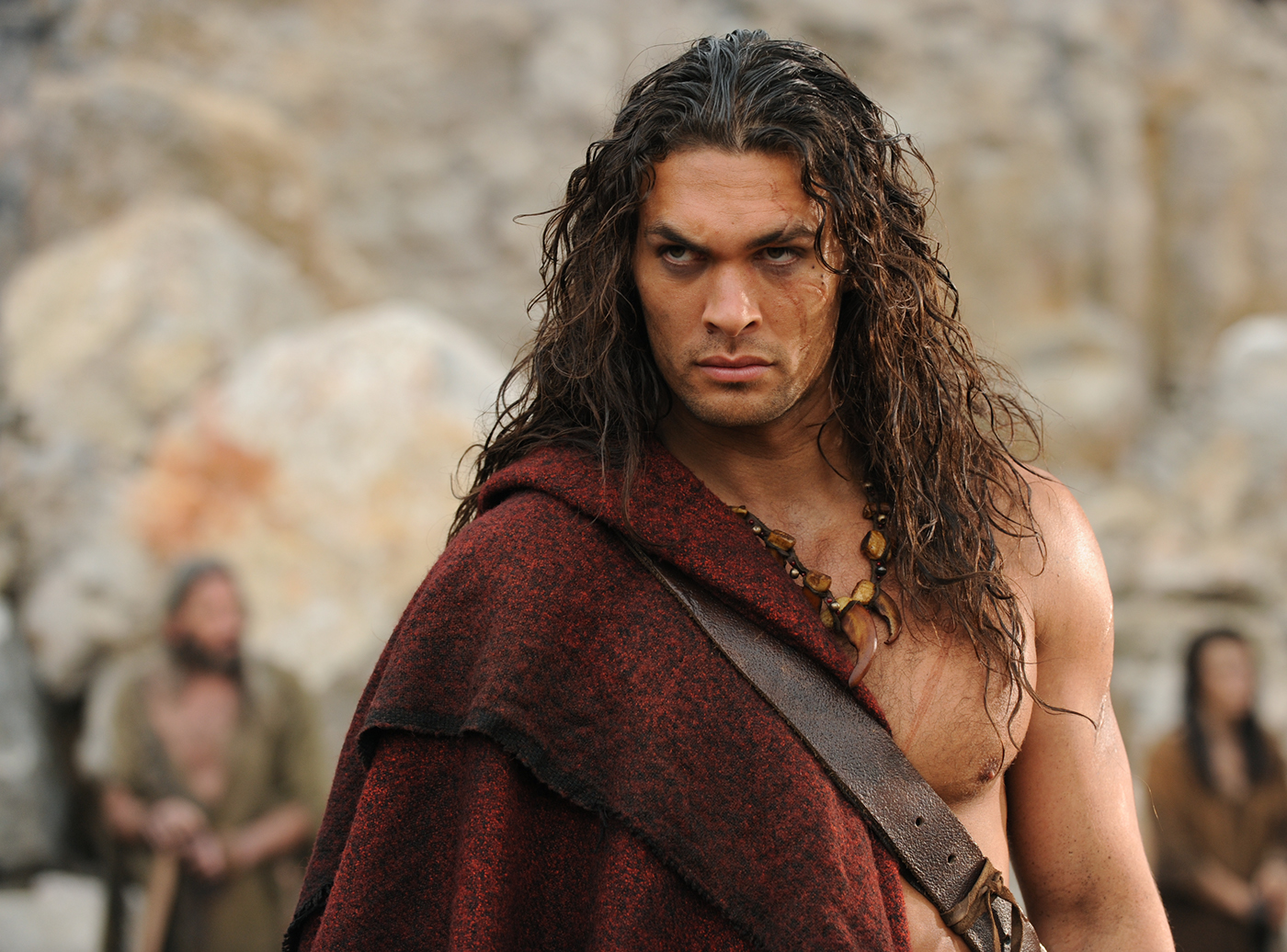
Momoa brought the smirk, the arrogance, the crackling hedonism of a man who takes what he wants and enjoys the taking. His scenes as the pirate “Amra” capture a side of Conan that no other film has even attempted.
So far, Momoa walks and talks and kills more like the Conan Howard dreamt of.
Origin Story
The Wheel of Pain is one of cinema’s great training montages. It’s also completely invented.
Howard’s Conan was born on a battlefield to a blacksmith, this is not up for debate. Conan was a free Cimmerian who wandered south by choice, not a slave forged into a weapon by trauma.
The 2011 film gets this right.
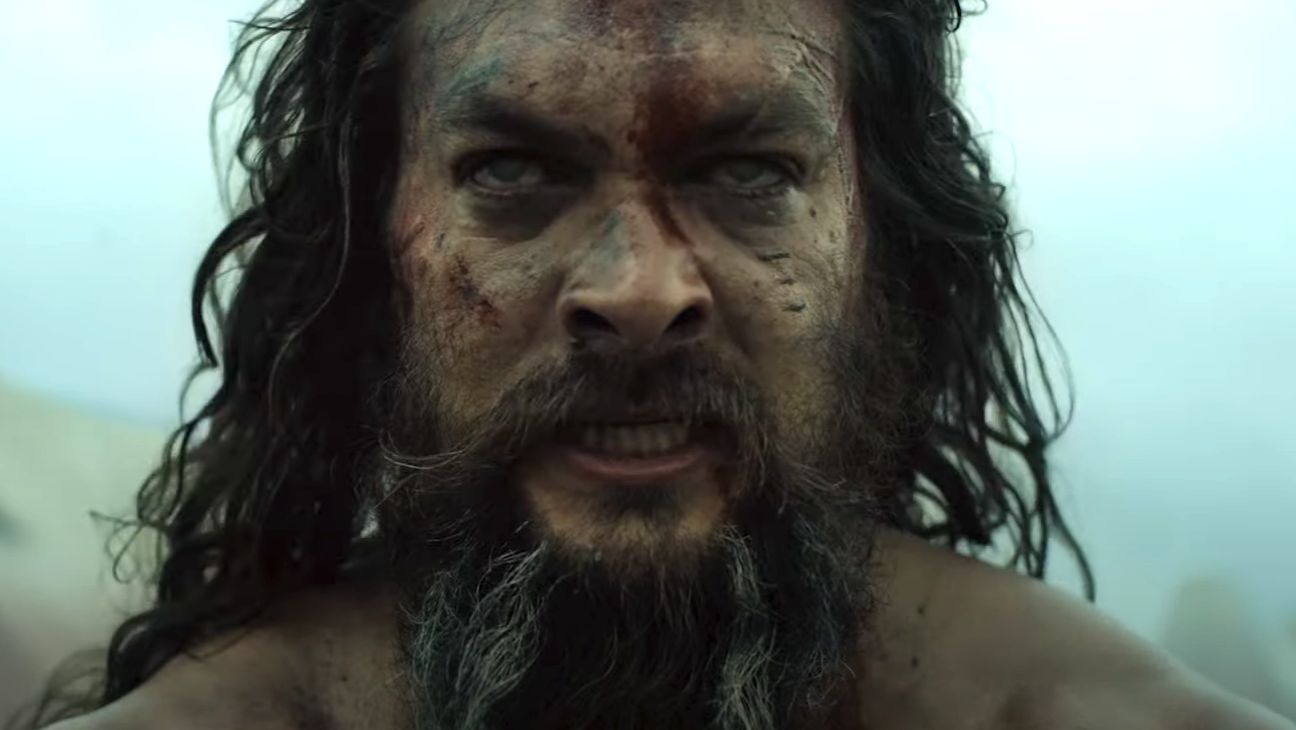
Momoa’s Conan enters the world mid-battle, cut from his dying mother’s womb, and grows up free. No chains. No destiny. No one else other than Conan.
Stack it up and the pattern is clear. Momoa takes the majority of points for portraying the Cimmerian as Howard wrote him.
Where Arnold does undeniably win, though, is on something harder to quantify: vibe. The mythic weight. The sense that you’re watching not a man but a legend in the shape of a man. That’s real, and it’s why the 1982 film endures.
But it’s not Howard’s Conan.
It’s Milius’s. It’s Arnold’s. It became its own thing, and that thing is genuinely great.
What Momoa was doing was different. He was reaching for the source and he got closer than anyone before or since.
So why didn’t anyone notice? Why did this textually accurate portrayal get buried under a decade of dismissal and mockery?
Because the film around him was collapsing.
And nobody knows that better than Momoa himself.
The Production Set Up the Sword and Everyone Was Pushed Onto It
The 2011 film didn’t connect. Critics were harsh, audiences stayed home, and within a few years the reboot had become shorthand for a missed opportunity. But buried in that disappointment was something worth examining: a performance that was actually working, trapped inside a production that didn’t.
Understanding what went wrong explains why Momoa’s textual accuracy never registered with general audiences. Every production challenge functioned as camouflage, obscuring the very things he was doing right.
Still, the 2011 film has its defenders and they’re not wrong to defend it.
Scroll through any Conan fan group and you’ll find the thread that surfaces every few weeks: someone pointing out that Momoa’s version is actually closer to Howard. The pulp pacing. The pirate scenes. The fact that Conan feels like a wanderer stumbling into trouble rather than a chosen one fulfilling prophecy. These fans recognized something real. They saw the panther.
So why didn’t that recognition break through to wider audiences?
Part of it is genre translation. Howard wrote short, sharp stories where Conan drifts into danger, survives by instinct, and moves on. The 2011 script tried to reshape that structure into blockbuster architecture: a central MacGuffin, escalating stakes, a “save the world” climax. That’s not a failure of intent so much as a tension between source material and studio expectations.
Part of it was visual language. The editing style was standard for action films in 2011.But that visual vernacular doesn’t serve a performer doing his own stunt work. Momoa’s choreography was fast, precise, predatory. The editing made it hard to track. Audiences felt the energy without seeing the craft.
Part of it was the tonal calibration. Different elements of the production seemed to be aiming at different targets. Momoa played it grounded; other performances leaned theatrical. The framing narration provided by Morgan Freeman signaled prestige drama where pulp weirdness might have served better. The pieces just couldn’t cohere into a unified register.
None of this erases what did work, though. The fans who love the film got to see a Conan that moves like the text, fights like the text, carries himself like the text. What they’re also seeing past is the noise that kept general audiences from recognizing the same thing.
Where the Legendary Barbarian Lives Uncompromised
If you saw the panther inside the 2011 film, if you clocked Momoa’s movement and thought that’s closer, then you already know what you want. You want the details that films like Momoa’s Conan the Barbarian keep failing to deliver.
The page delivers them. No budget constraints. No studio interference. No editor shaking the camera or cutting for runtime. On the page, Conan gets to be everything Howard wrote: fast and strange and full of black moods, a philosopher-thief who wanders through eldritch nightmares and comes out bloody on the other side.
And here’s what matters: that Conan is still being written.
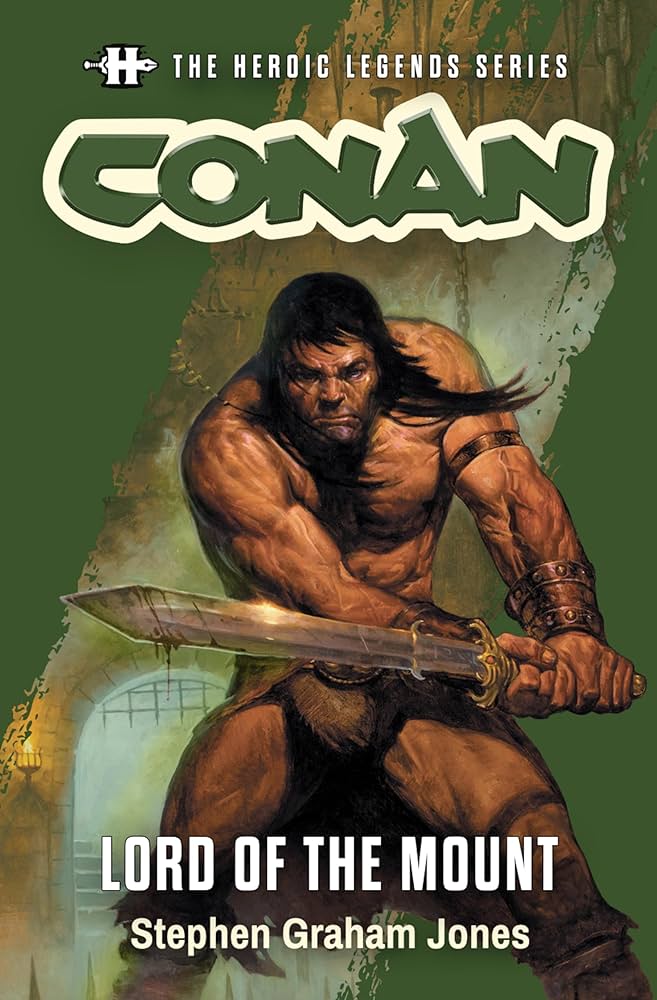
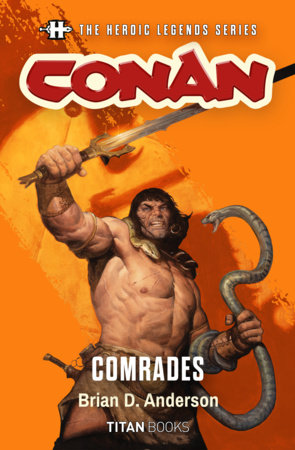
The Heroic Legends series is publishing new Conan fiction right now, stories that honor the source, that remember the panther, that don’t sand down the weird horror or silence the giant’s mirth. This is the Conan that Momoa was reaching for.
Stop mourning the adaptation. The Cimmerian was always on the page and, besides: Crom cares not for box office returns.
He cares for the blade that moves true. Find it in the words.

Lo Terry
In his effort to help Heroic Signatures tell legendary stories, Lo Terry does a lot. Sometimes, that means spearheading an innovative, AI-driven tavern adventure. In others it means writing words in the voice of a mischievous merchant for people to chuckle at. It's a fun time.