
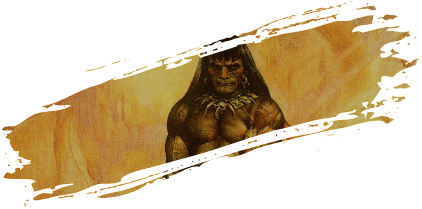
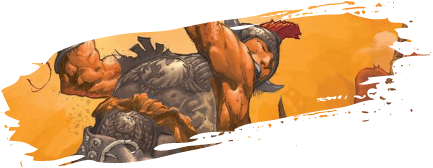
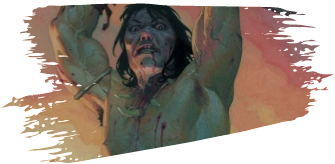
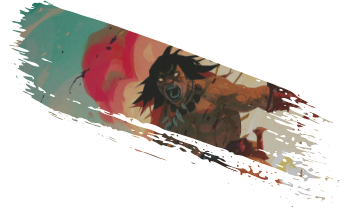


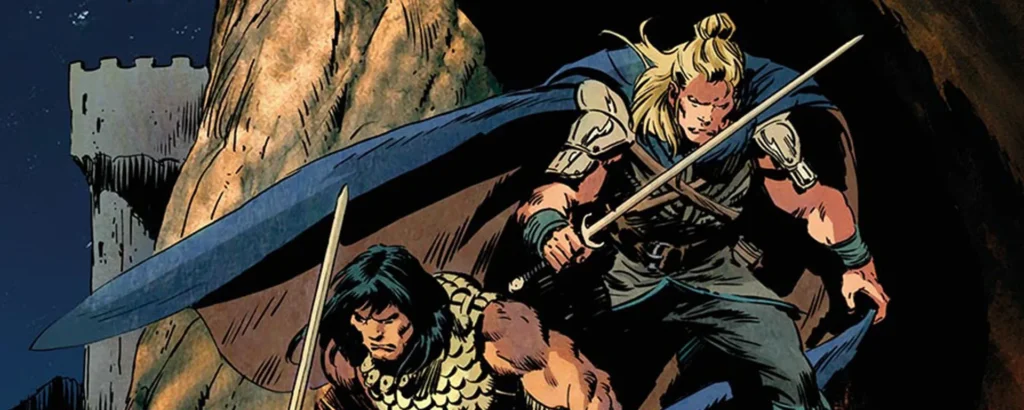
Dragonero creators Luca Enoch and Stefano Vietti could write the rules. They could decide how Howard’s corrupting sorcery would coexist with Dragonero’s institutional magic, where the two worlds would overlap, and what each hero would lose in transit.
All of that lives in the script.
But someone still had to sit down and draw Conan the Barbarian standing next to a real dragon on a comics page and make both of them look like they belong there.
That someone is Lorenzo Nuti. And the reason he could do it starts with a Christmas rerun and a comic book store owner with good taste.
A Teenager’s Dream, Eventually
The first time Nuti saw Conan, it was Arnold Schwarzenegger. Conan the Barbarian was playing on Italian television during the Christmas holidays, and it caught this pre-teen off guard. The imagery stuck. The low light, the scale, the sense that violence was either just finished or just about to start. He carried it with him without knowing what to do with it.
Then, in high school, he decided he wanted to draw for a living. He started hunting for fantasy reference material, and at his local comic book store, the owner pulled out an old Frazetta art book. “I was immediately captivated,” Nuti says, “first by his oil paintings, then by his ink drawings.” He studied Frazetta obsessively in the years that followed, internalizing the heavy musculature and the torchlit drama until it became part of his visual vocabulary. Even as he grew up, took other paths, and overhauled his approach to drawing and painting, that visual identity stuck with him.
When the Conan and Dragonero crossover landed on his desk, all of that came back. He let himself sink into “those heavy muscles, grazing lights and exasperated poses,” because–as he puts it–”it was a teenager’s dream coming true.”
The Reference Pool That Explains the Book
Nuti’s dream might have produced a Frazetta pastiche in less interesting hands. What makes Nuti the right artist for a crossover between the visual traditions of Conan the Barbarian and Dragonero is that his influences are genuinely wide in their breadth.
Ask him what shapes his storytelling and he starts with the visual language of cinema titans like Hitchcock, Mamoru Oshii, and Tinto Brass. For painting, Nuti’s taste spans the gambit of brushstrokes from Mantegna and Da Vinc, to Van Gogh and Schiele, all the way to Howard Pyle and Kenne Grégoire. Italian Renaissance masters, Austrian expressionism, Japanese animation, erotic Italian cinema, and Golden Age American illustration, all feeding the same hand.
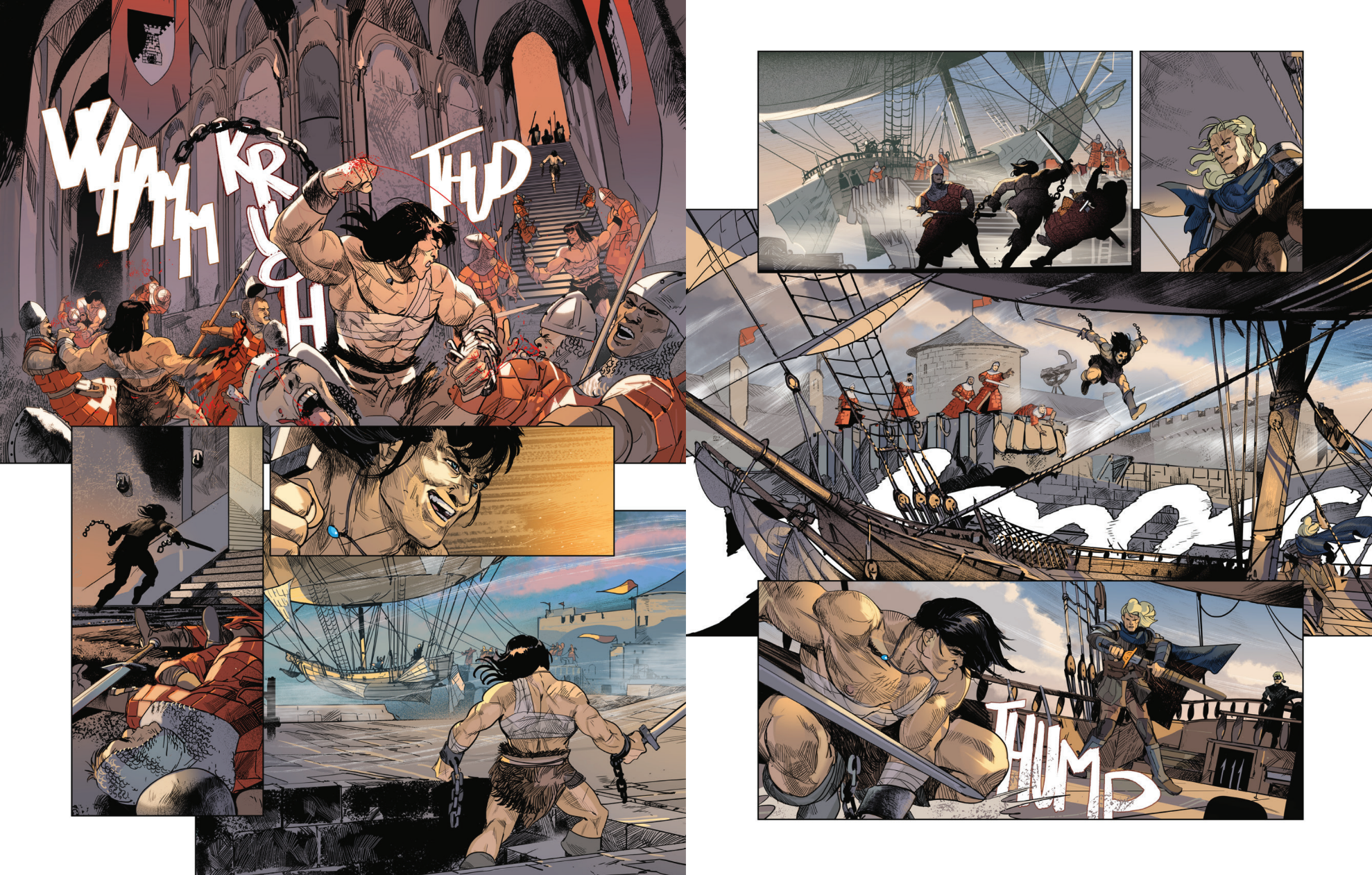
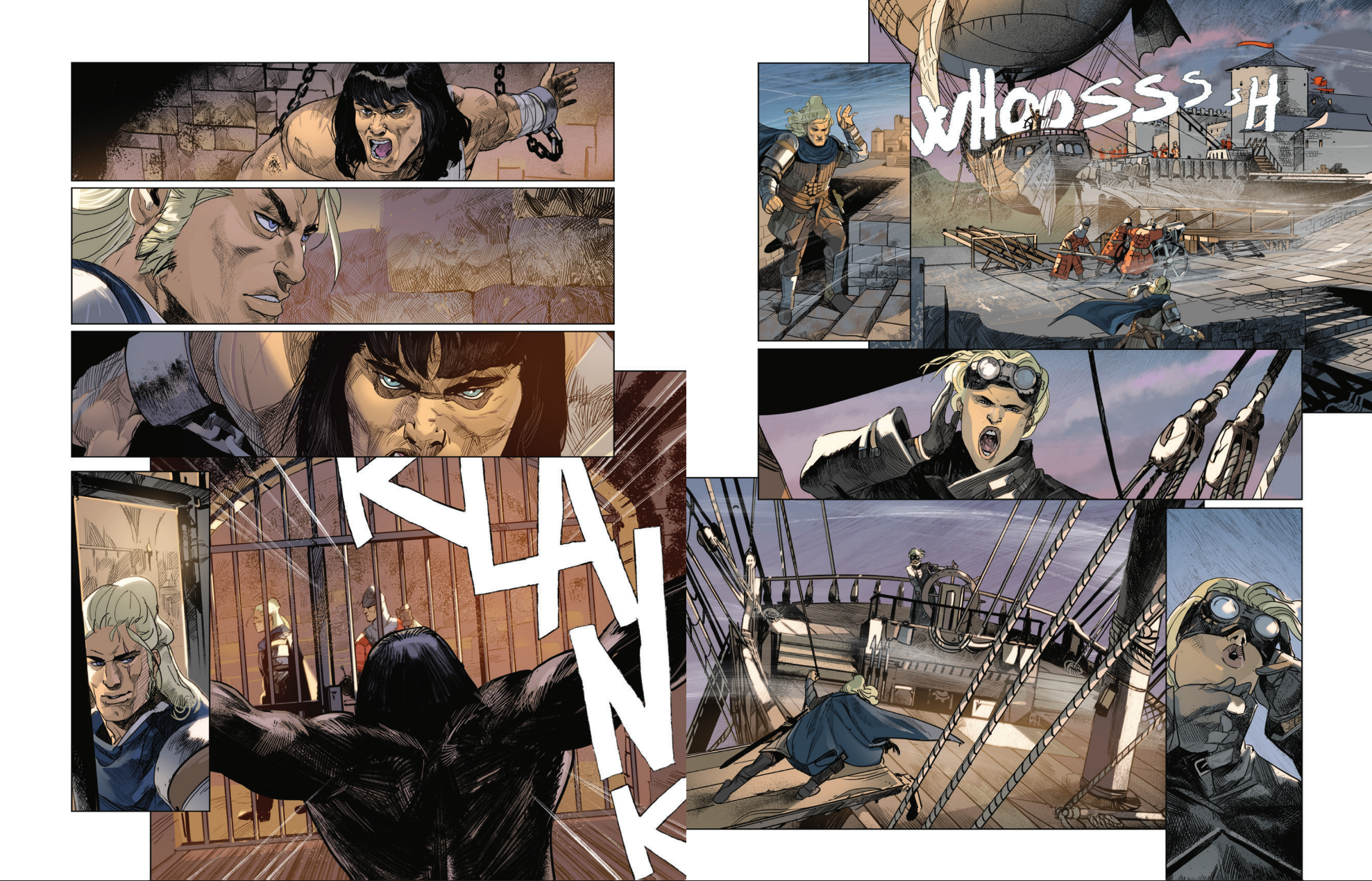
That range matters because this crossover demanded it. Nuti’s native format at Bonelli is black and white panels that are “designed to be read” without color, where atmosphere and space are left for the reader to interpret. Conan and Dragonero is fully colored. He’s working outside his default mode, mediating between two visual languages for an audience that might love one, both, or neither. A narrower artist would have defaulted to one tradition and let the other look wrong, but Nuti had enough reference points to hold the middle.
How Do You Draw a Dragon Next to Conan the Barbarian?
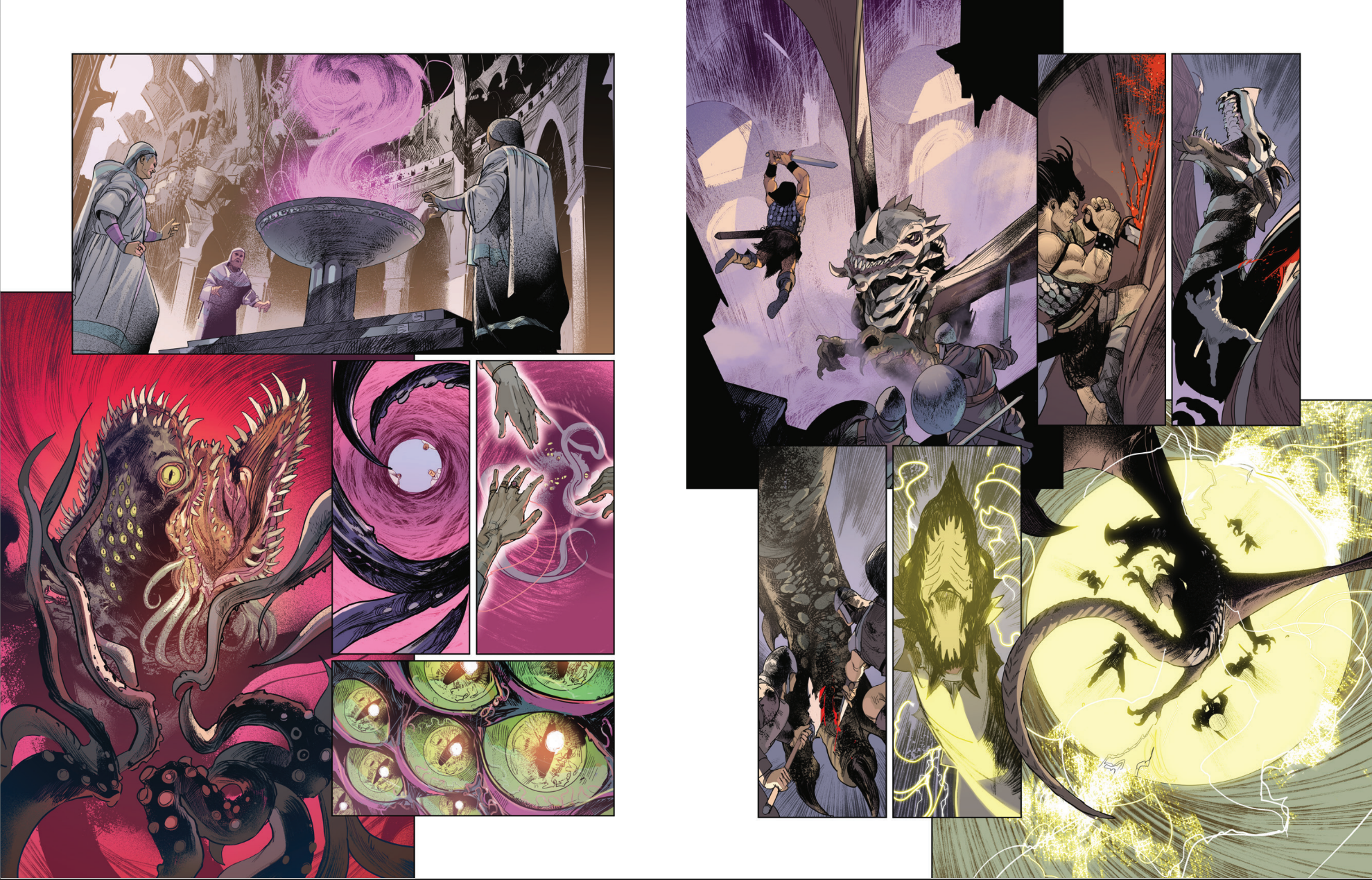
“Dragons are a real pain to choreograph in comic book pages,” Nuti says. “They have to interact with beings much smaller, making large movements and flying with unpredictable turns. Everything has to be as clear as possible without detracting from the intensity of the action.”
He was given significant creative freedom with the dragon’s design, and every choice he made was engineering first, aesthetics second. The scales were positioned for reproducibility from multiple angles. The main joints were kept clean with no excess protuberances or growths that would become illegible in motion. And he chose a real animal as the locomotive reference: since he was sixteen, when Nuti draws a dragon, he thinks of Todd Lockwood’s anatomical plates in the Draconomicon, which are “practically felines with bat-like wings.”
Enoch and Vietti then handled the choreography with what Nuti describes as “extremely detailed dynamics, both in the movements of the characters on stage and in their equipment.” They left nothing to chance. But the ability of every beat of a fight between two heroes and a dragon to be read clearly across a spread was all Nuti.
The Architecture You Don’t See
To keep two visually distinct worlds from competing for dominance on the page, Nuti divided his color palette into keys organized by chapter “so as not to lose the atmosphere of the moment and maintain the narrative rhythm of the story as a whole.” No single world gets to own the color space. The book moves through its environments and the palette moves with it, governed by story logic rather than franchise loyalty.
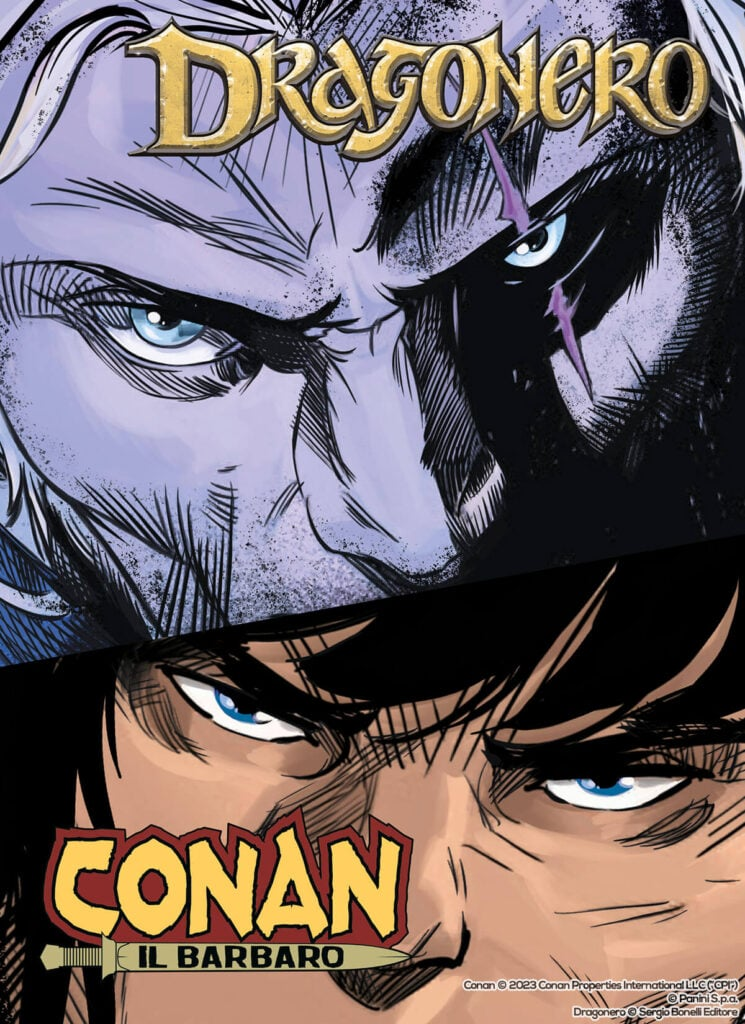
The covers follow the same principle. Rather than designing them as the contractual-handshake look that plagues most crossover covers, Nuti treated them as “actual scenes present in the pages, in complete continuity with the content of the chapter.” The effect, as he describes it, trades the “commercial operation” feel for something simpler: “what are those two up to?”
The Tip of Something Larger
When we asked Nuti what a reader coming from Conan should look for on the page that they wouldn’t find in a typical American fantasy comic, he redirected to the world of Erondàr.
Dragonero’s real strength, he says, lies in “the extreme coherence of its sequence of events, in the attention to detail, in the nuances of its characters.” He calls the task of depicting Erondár in this crossover “perhaps greater than my abilities…Whether you enjoy or are simply curious about what Erondàr has to offer, [this crossover] is just the tip of the iceberg.”
Conan and Dragonero #1 arrives today, May 13, from Titan Comics and, whatever you take from the story, the lore, or the collision of two fantasy traditions, make sure you slow down and appreciate Nuti’s pages. From the double-splash spreads, to the dragon in full flight, this is a book that rewards the reader who looks.

Lo Terry
In his effort to help Heroic Signatures tell legendary stories, Lo Terry does a lot. Sometimes, that means spearheading an innovative, AI-driven tavern adventure. In others it means writing words in the voice of a mischievous merchant for people to chuckle at. It's a fun time.